

Can Barrett's Esophagus Reverse Itself?
You Got the Barrett's Esophagus Diagnosis. Here's What a GI Specialist Says Actually Happens Next.
Barrett's esophagus sounds like a life sentence. For most people who get the diagnosis, the tissue change that caused it can go the other direction, if the underlying cause is actually addressed.

The search that starts the moment the report uses a word nobody explained.
The 2am Google Search
The endoscopy report uses a phrase most patients have never heard before: Barrett's esophagus. A search turns up the word "precancerous," and the panic sets in before anyone explains what the diagnosis actually means or what happens next.
Here's what usually gets left out of that first conversation: for most people diagnosed with Barrett's esophagus, the tissue change itself is not fixed or permanent. In its earlier stages, it can move in either direction, and which direction depends heavily on what happens after the diagnosis.
What Barrett's Esophagus Actually Is
Barrett's esophagus happens when the normal flat lining of the esophagus, called squamous tissue, gets replaced by a different kind of tissue that looks more like the lining of the stomach, in tissue that's spent years absorbing more chemical exposure than it was built to handle.
Dr. Mark Noar, MD, MPH, Director of The Heartburn and Reflux Study Center in Towson, Maryland, and one of the first physicians in the U.S. to research and use the Stretta procedure for reflux, explained the process in an interview for the Reflux Summit:
"It's not just acid that causes irritation. It can be bile, literally anything. Each individual has their own pH set point for things to be abnormal. And so when there is inflammation that occurs for any reason, that doesn't get repaired by the body naturally, it can convert the tissue into a form of tissue that's a bit more resistant."
Normally, the esophagus renews its own lining roughly every three days. But under chronic inflammation, the stem cells responsible for that renewal can be pushed to generate a different, more resistant cell line instead, the cells that define Barrett's esophagus.
The Mechanism Behind the Change
The tissue doesn't change because acid is simply "burning" it. According to Dr. Noar, specific receptors in the esophageal lining, TRPV1 and TRPV4, are what actually trigger the inflammatory response, one to acid, the other to bile enzymes. Activating those receptors repeatedly is what drives the ongoing inflammation that reshapes the tissue, not a single bad meal.
That also means reflux itself isn't selective. As Dr. Noar put it: "You cannot selectively reflux what's in your stomach. It's whatever's there, whatever's mixed in." Someone managing "acid" with an over-the-counter product may still be dealing with bile-driven irritation that acid-focused treatment was never built to touch.
The people at the highest risk for this kind of tissue change are often the ones with the fewest symptoms. Dr. Noar noted that silent reflux carries a greater long-term risk specifically because those patients aren't experiencing enough discomfort to prompt them to address it.
Why Grade Matters More Than the Word "Barrett's"
Every case gets a grade, low, moderate, or high, based on how abnormal the cells look. The grade, not the diagnosis itself, is what should drive the next decision.
Dr. Noar's analogy: think of a one-hour clock. High-grade dysplasia leaves maybe 10 minutes, urgent, fast treatment. Moderate grade gives roughly half an hour, still serious, with real room to reverse course. Low grade gives most of the hour, and converting to something more serious is, in his words, "pretty rare."
"They can actually change back towards the positive side with proper treatment, with elimination of the underlying cause."Dr. Mark Noar, MD, MPH
Low and moderate-grade Barrett's esophagus can move back toward normal tissue when the source of the ongoing inflammation is actually addressed. High-grade disease is a different, more time-sensitive situation requiring direct medical management, not lifestyle changes alone.

The same process that can happen can also unwind.
What Real Recovery Actually Requires
Reversing the direction of this process, when the grade allows it, comes down to three things:
1. Reducing how much acid and bile actually reach the tissue. The single biggest lever, whatever combination of medication, diet, and lifestyle change gets it done.
2. Addressing the chronic inflammation directly, not just the exposure that triggers it.
3. Giving the tissue's normal renewal process room to work, by removing enough of the ongoing disruption that it can replace itself with normal, not resistant, tissue.
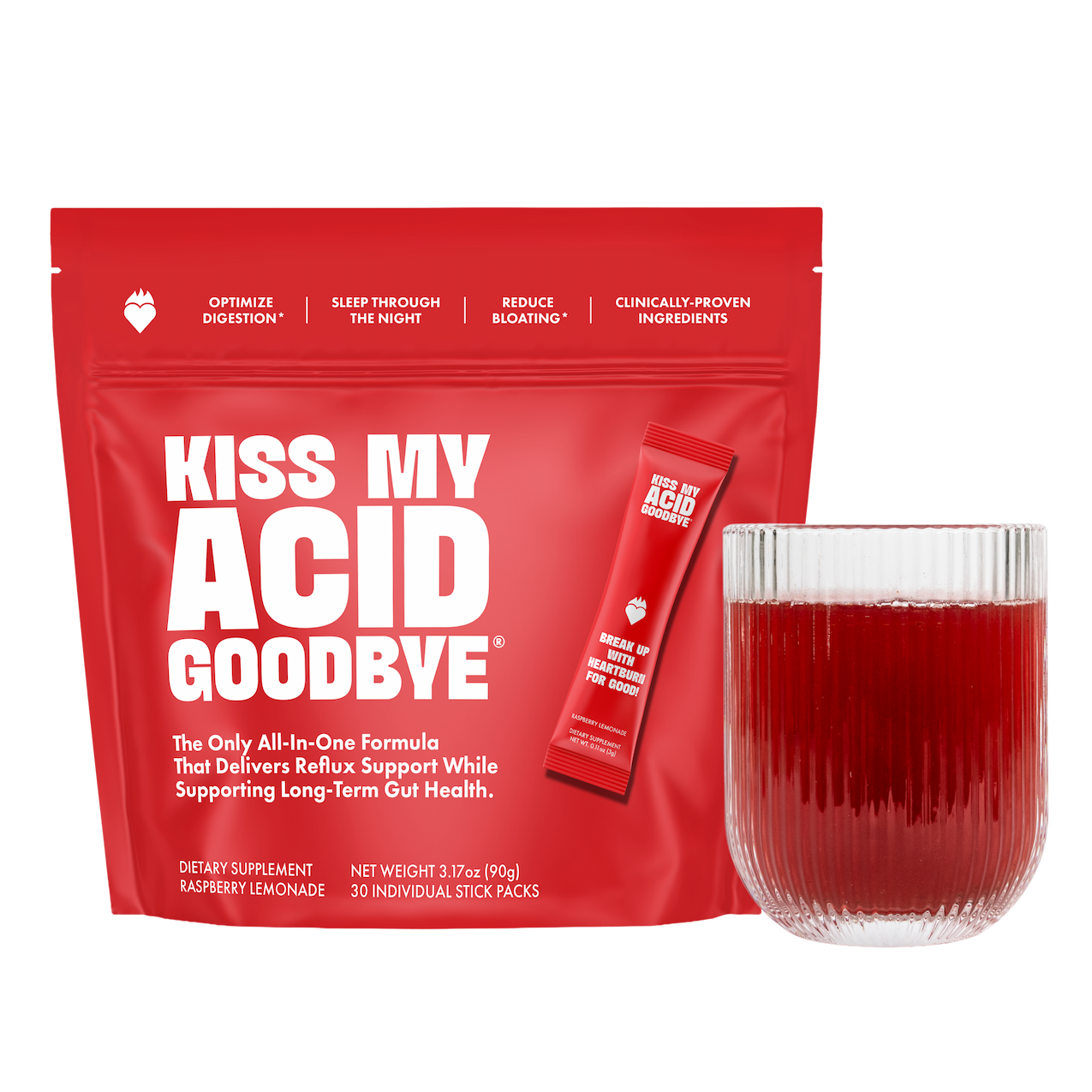
If you're managing a Barrett's diagnosis, or trying to keep chronic reflux from ever getting there, KMAG may be worth a closer look on the barrier and inflammation side.
When you try KMAG today, you get:
- ✓ 100-Day Satisfaction Guarantee*
- ✓ Lifetime access to the KMAG Symptom Tracker and Recipe Converter App
- ✓ Our 7-Day Reflux Reset Program
- ✓ Priority Support from our Human Support Team
*Valid on 90-day protocol bundle
Always consult your doctor before adding any supplement, and never adjust a diagnosed Barrett's treatment plan without your GI doctor's guidance.
The Research Behind KMAG
KMAG isn't a treatment for Barrett's esophagus, and no supplement should be positioned as one. What it's built to support are two of the factors Dr. Noar described: the barrier ongoing exposure has to get through, and the chronic inflammation that keeps the process going.
MUCOSAVE (400mg): Barrier Support
May help form a protective gel coating that bonds to the digestive lining, creating a barrier between digestive contents and the tissue underneath. In a 2-month, double-blind, placebo-controlled study of 118 adults, MUCOSAVE showed a 74.3% improvement on the GERD-Health Related Quality of Life Assessment.
GUTGARD (150mg): Tissue and Motility Support
A deglycyrrhizinated licorice extract that supports the stomach's natural protective mechanisms and may support gastric motility, reducing the pressure that pushes stomach contents upward. In a 30-day double-blind study, 56% of the GUTGARD group showed marked improvement vs. 0% in placebo.
ACTIValoe (150mg): Esophageal Barrier Support
A purified aloe vera extract that may help form a soothing barrier along the esophageal lining, the tissue actually studied, which may in turn help reduce how much acid and pepsin travel further up the digestive tract.
German Chamomile Extract 10:1 (200mg): Anti-Inflammatory Support
Provides concentrated anti-inflammatory support, addressing the kind of chronic, low-grade inflammation research connects to tissue changes like Barrett's esophagus over time.
By The Numbers
- MUCOSAVE (400mg): 74.3% improvement in GERD-related quality of life. 118 adults, 2-month double-blind RCT (Evidence-Based CAM, 2016)
- GUTGARD (150mg): 56% marked improvement vs. 0% placebo. 50 adults, 30-day double-blind RCT (Evidence-Based CAM, 2012)
Studies referenced apply to individual ingredients in Kiss My Acid Goodbye. Individual results may vary.
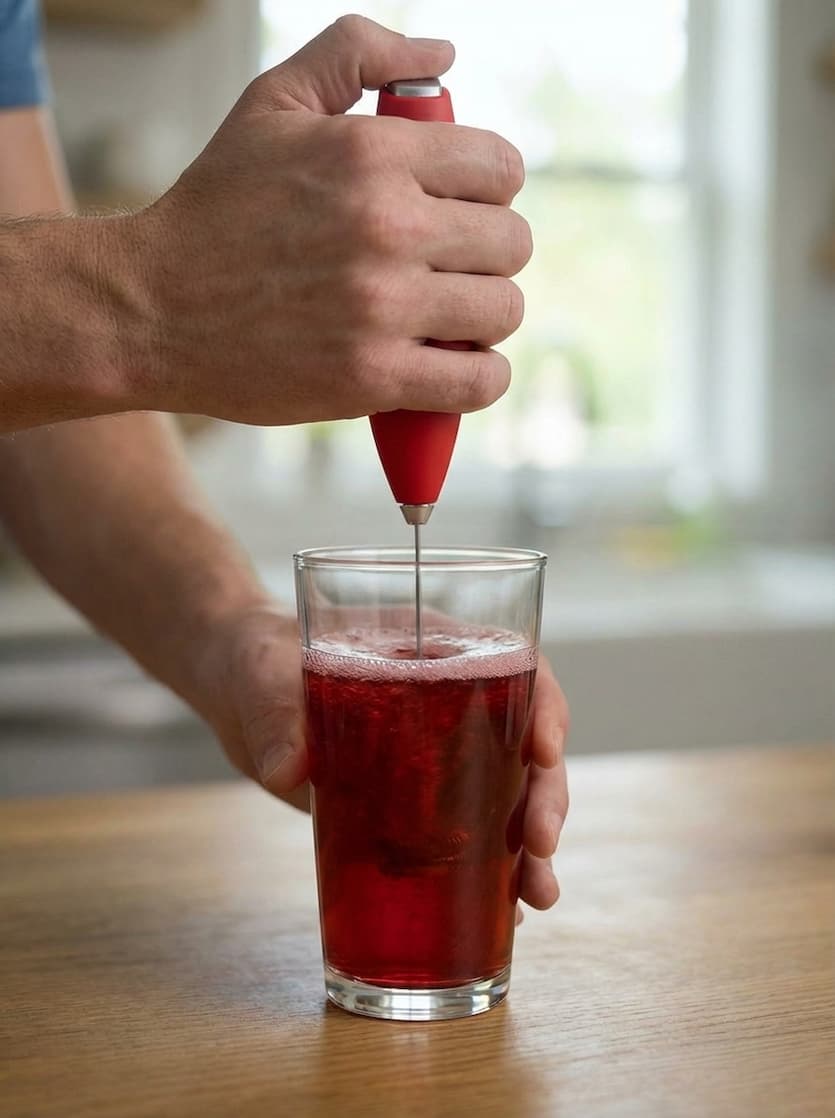
KMAG is taken once daily, mixed into about 8oz of water.
What to Actually Expect
You might notice:
- Less bloating
- Better sleep
- Fewer "emergency" antacids
Why it's happening:
- MUCOSAVE and ACTIValoe start supporting your mucosal lining
- Concentrated Chamomile begins to ease irritation
You might notice:
- Less burning after meals
- More confidence around food
- Fewer middle-of-the-night flare-ups
Why it's happening:
- GUTGARD and ACTIValoe continue supporting tissue repair
- Motility and microbiome support ramp up
You might notice:
- Testing foods you used to avoid
- Feeling less scared of food and bedtime
- Talking to your doctor about slowly reducing meds
Why it's happening:
- KMAG's ingredients have supported your gut barriers and reduced inflammation
- Your gut is better maintained for long-term comfort and relief
If you have LPR or have been on PPIs for 1+ years, 4 to 6 months is a very normal timeline. Always work with your doctor before changing medications, and especially before changing anything related to a diagnosed Barrett's esophagus treatment plan.
What People Are Saying
"After just 6 weeks of KMAG once daily, my bloating decreased almost immediately and my chronic cough has drastically reduced. Even through the holidays with rich food and stress, KMAG continued working. I can sense my gut is genuinely healing. I'm now confident enough to discuss weaning off my PPI with my gastroenterologist. KMAG has given me hope for addressing the root cause rather than just suppressing symptoms."Pamela W., Verified Customer
"I've been on PPIs for 10+ years, and last week I was having major reflux at night with burning in my throat. I've only been using KMAG for 4 days, and these past 4 nights I've been completely symptom free. I even went out for wings and beers last night - no issues."Brian G., Verified Customer
"I've been taking KMAG for five days. I was using 10-12 antacids per day; now it's down to one or two per day. I've had no reflux while sleeping. Having tried many different methods to get rid of my heartburn and I like your approach to the problem."Joe R., Verified Customer
"I'm now confident enough to discuss weaning off my PPI with my gastroenterologist. KMAG has given me hope for addressing the root cause rather than just suppressing symptoms."Pamela W., Verified Customer
The Question Worth Asking Your Doctor
If you've been told you have Barrett's esophagus, or you're a chronic reflux sufferer wondering whether you should be checked, the single most useful question isn't "is this dangerous." It's: "What grade is it, and what's actually driving my ongoing exposure?" That's the question that determines whether the next step is watchful lifestyle change or something more urgent.
Try KMAG Risk-Free
Every order includes:
- ✓ 100-Day Satisfaction Guarantee*
- ✓ Lifetime access to the KMAG Symptom Tracker and Recipe Converter App
- ✓ Our 7-Day Reflux Reset Program
- ✓ Priority Support from our Human Support Team
* Valid on 90-day protocol bundle. Commit to AT LEAST 90 days of daily use for best results.
Frequently Asked Questions
Can I take KMAG while still on my PPI?
Yes. Many customers start KMAG while continuing their current PPI and work with their doctor over time on whether and how to adjust their prescription. Never stop a prescribed medication abruptly.
Can KMAG reverse Barrett's esophagus?
KMAG is not a treatment for diagnosed Barrett's esophagus, and no supplement should be positioned as one. If you have a Barrett's diagnosis, your treatment plan needs to come from your gastroenterologist, based on the grade of your specific case. What KMAG is built to support, barrier protection and inflammation, are two of the factors research connects to the underlying tissue changes, but they work alongside medical care, not in place of it.
Will KMAG interact with my medications?
KMAG is formulated from food-based botanical ingredients. If you're on prescription medication, take KMAG about 2 hours apart and check with your doctor or pharmacist, especially regarding ACTIValoe's potential effect on absorption timing.
How do I take it?
Mix one serving in about 8oz of water, once daily.
How long before KMAG starts working?
Initial improvements typically appear within the first 1 to 2 months: less bloating, fewer antacids, better sleep. The most significant improvements come with 3 to 6 months of consistent daily use. The 30-day money-back guarantee gives you a risk-free window to get started.
This is not medical advice. Always consult with your physician before adding new supplements to your routine, especially if you have any diagnosed medical conditions or are currently taking prescription medications. These statements have not been evaluated by the Food and Drug Administration. This product is not intended to diagnose, treat, cure, or prevent any disease. Clinical study data referenced applies to individual ingredients in Kiss My Acid Goodbye and not to the formula as a whole. Individual results may vary.

