

What PPIs Do to Your Gut Bacteria
In 2014, the FDA Quietly Updated the Warning Labels on America's Most Popular Heartburn Drugs. Here's What the Research Behind It Actually Shows.
Scientists studied identical twins — one on a long-term PPI, one not. Same genes, same family, dramatically different gut bacteria. The findings explain something most acid reflux patients have never been told.

A growing body of peer-reviewed research links long-term PPI use to significant shifts in the gut microbiome — findings most patients have never seen.
Most people think of stomach acid as the problem. The burning, the pressure, the middle-of-the-night wake-up — it all traces back to acid. So the prescription makes sense: suppress the acid, stop the burn.
What almost no one is told is what stomach acid was also doing before it was suppressed.
Stomach acid is your gut's primary biological defense against bacterial invasion. Every time you eat, harmful microorganisms enter your body alongside the food. Under normal conditions, the acidic environment in your stomach destroys the vast majority of them before they can reach your small or large intestine.
Proton pump inhibitors — PPIs like Prilosec, Nexium, Prevacid, and their generics — suppress acid production by 80 to 90 percent. That's a significant drop. And when that acid barrier falls, bacteria that would have been neutralized in the stomach now survive. They travel further into the gut. They colonize areas where they don't belong. They crowd out the beneficial bacteria already living there.
This mechanism is not a theoretical concern. In 2014, the FDA required PPI manufacturers to update their warning labels specifically to address an increased risk of Clostridioides difficile — C. diff — a dangerous gut infection driven by exactly this process. The FDA doesn't require label updates casually. It had the post-market surveillance data to back it up.
Most patients were never told this warning existed.
The FDA required PPI manufacturers to update warning labels to include the increased risk of C. difficile-associated diarrhea — a serious gut infection directly linked to bacterial imbalance and one of the most difficult-to-treat infections in clinical medicine.
Source: FDA Drug Safety Communication, February 2012 / updated 2014. Most patients started on PPIs were never informed of this label change.
The Twin Study That Should Have Made Headlines
After the FDA warning, researchers began designing studies to understand exactly what long-term PPI use does to the gut microbiome. One approach was hard to argue with.
Researchers recruited pairs of identical twins — one twin on a long-term PPI, the other not. By using twins, they effectively removed genetics as a variable. Any differences in the gut microbiome between siblings could be attributed to the medication, not inherited biology.
The results were striking.
The twin on PPIs had significantly more potentially harmful bacteria — and significantly fewer beneficial bacteria — than their sibling. The beneficial bacterial families that were depleted included Ruminococcaceae and Lachnospiraceae: the bacteria responsible for producing butyrate, the primary fuel source for the cells that line your colon.
When butyrate-producing bacteria disappear, colon cells don't get the energy they need. The gut lining weakens. Permeability increases. Systemic inflammation rises. A 2025 meta-analysis published in npj Biofilms and Microbiomes confirmed this pattern across multiple studies and research teams — consistently finding enrichment of oral-origin bacteria in the gut alongside a reduction in native butyrate-producing strains in long-term PPI users.
"Same genes. Same family history. The only variable was the medication — and the microbiomes were dramatically different."
Why This Makes Reflux Harder to Treat
Chronic acid reflux isn't primarily an acid problem. It's a barrier problem.
The lining of the esophagus and stomach is protected by a mucus layer that allows normal stomach acid to do its job without damaging the surrounding tissue. In people with chronic reflux, that barrier is compromised — thinned, inflamed, or impaired. Normal acid levels, hitting damaged tissue, feel catastrophic.
The PPI suppresses the acid. The burning eases. But the barrier is never repaired, and now the bacterial environment in the gut is shifting in the wrong direction at the same time. The longer someone stays on a PPI, the more entrenched the bacterial imbalance becomes — and the harder it is to restore the conditions needed for normal gut function.

During PPI use, the acid barrier that normally kills harmful bacteria is suppressed — allowing pathogenic strains to colonize the gut while beneficial bacteria decline.
What Real Recovery Actually Requires
If the underlying problem is damaged barriers and disrupted gut bacteria — and the research increasingly points in that direction — then acid suppression doesn't solve it. It manages symptoms while the root conditions continue.
Addressing this properly requires three things working in combination:
Mucosal repair. The protective lining of the esophagus and stomach needs to be actively supported and rebuilt — not just shielded from acid while nothing else changes.
Bacterial rebalancing. Beneficial bacteria need to be fed and supported. The harmful bacteria thriving in a low-acid environment need to be crowded out by a healthier microbial community.
Anti-inflammatory support. Chronically inflamed gut tissue is hypersensitive tissue. Reducing that inflammation makes the entire system less reactive over time.
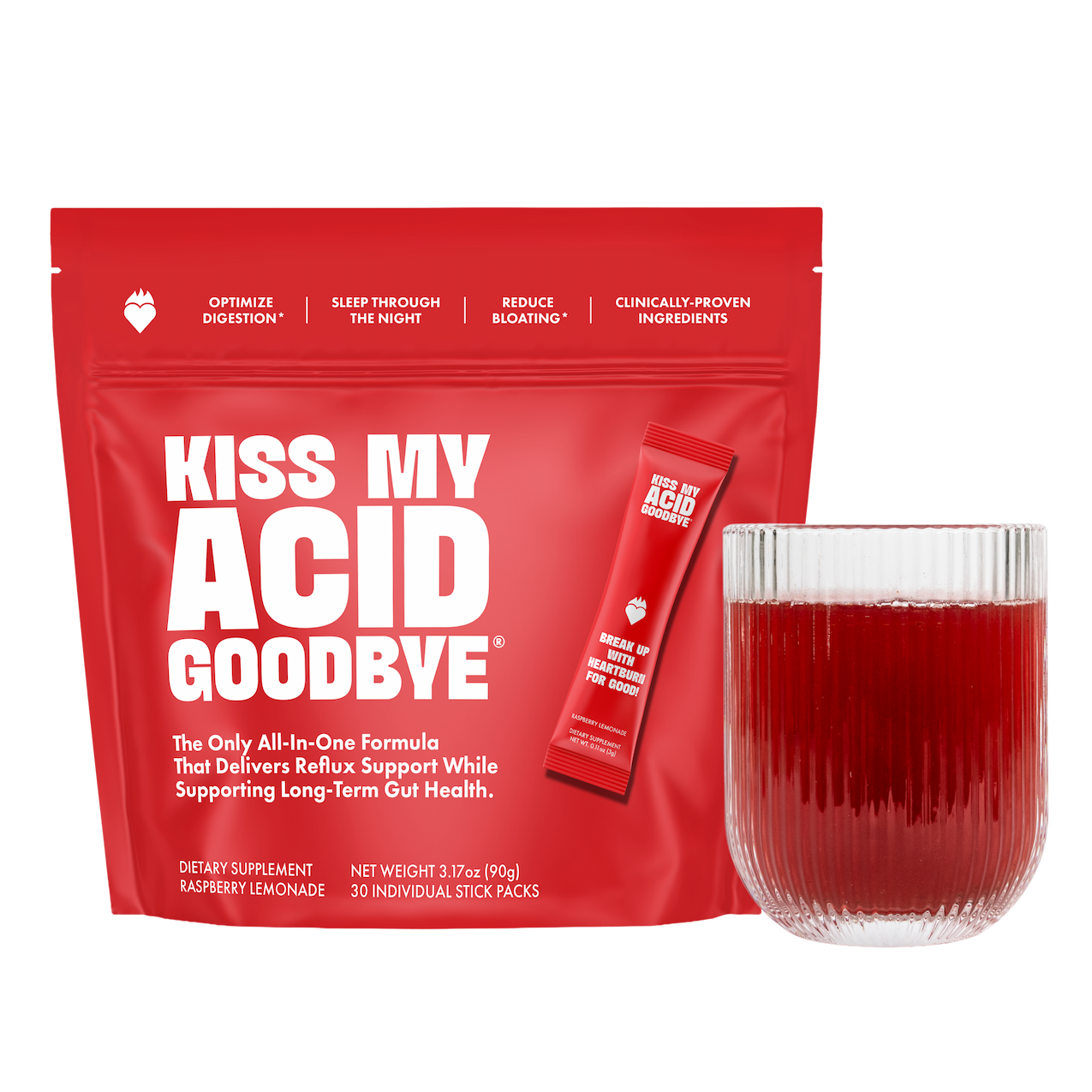
If you've been on a PPI for a year or more, Kiss My Acid Goodbye (KMAG) addresses the gut barrier and bacterial balance that acid suppression leaves unaddressed, the same root causes this research points to.
When you try KMAG today, you get:
- ✓ 100-Day Satisfaction Guarantee*
- ✓ Lifetime access to the KMAG Symptom Tracker and Recipe Converter App
- ✓ Our 7-Day Reflux Reset Program
- ✓ Priority Support from our Human Support Team
*Valid on 90-day protocol bundle
Always consult your doctor before changing any medication or starting a new supplement.
The Research Behind Kiss My Acid Goodbye
KMAG was formulated specifically around these three mechanisms — not acid suppression.
MUCOSAVE™ — a clinically studied blend of prickly pear cactus and olive leaf extract from Sicily — is KMAG's lead botanical. In a two-month double-blind, placebo-controlled trial, it showed a 74.3% improvement in GERD quality of life scores, a 56.5% reduction in heartburn frequency, and a 59.1% reduction in acid regurgitation.
GUTGARD™ — a standardized deglycyrrhizinated licorice root extract — showed a 56% improvement in overall GI symptom scores in clinical research. It supports tissue repair and reduces inflammation throughout the gut lining without the blood pressure concerns associated with traditional licorice preparations.
ACTIValoe® — a clinically verified aloe vera extract — supports the absorption of the formula's other ingredients while helping restore the conditions for proper nutrient uptake throughout the GI tract.
Concentrated German Chamomile (10:1 extract) delivers ten times the potency of standard chamomile, providing targeted anti-inflammatory support for the gut lining without causing drowsiness.
What the Ingredient Research Shows
- MUCOSAVE™: 74.3% improvement in GERD quality of life in 2 months*
- MUCOSAVE™: 56.5% reduction in heartburn frequency*
- MUCOSAVE™: 59.1% reduction in acid regurgitation*
- GUTGARD™: 56% improvement in GI symptom scores*
*Clinical studies on individual ingredients. Individual results may vary. These statements have not been evaluated by the FDA.
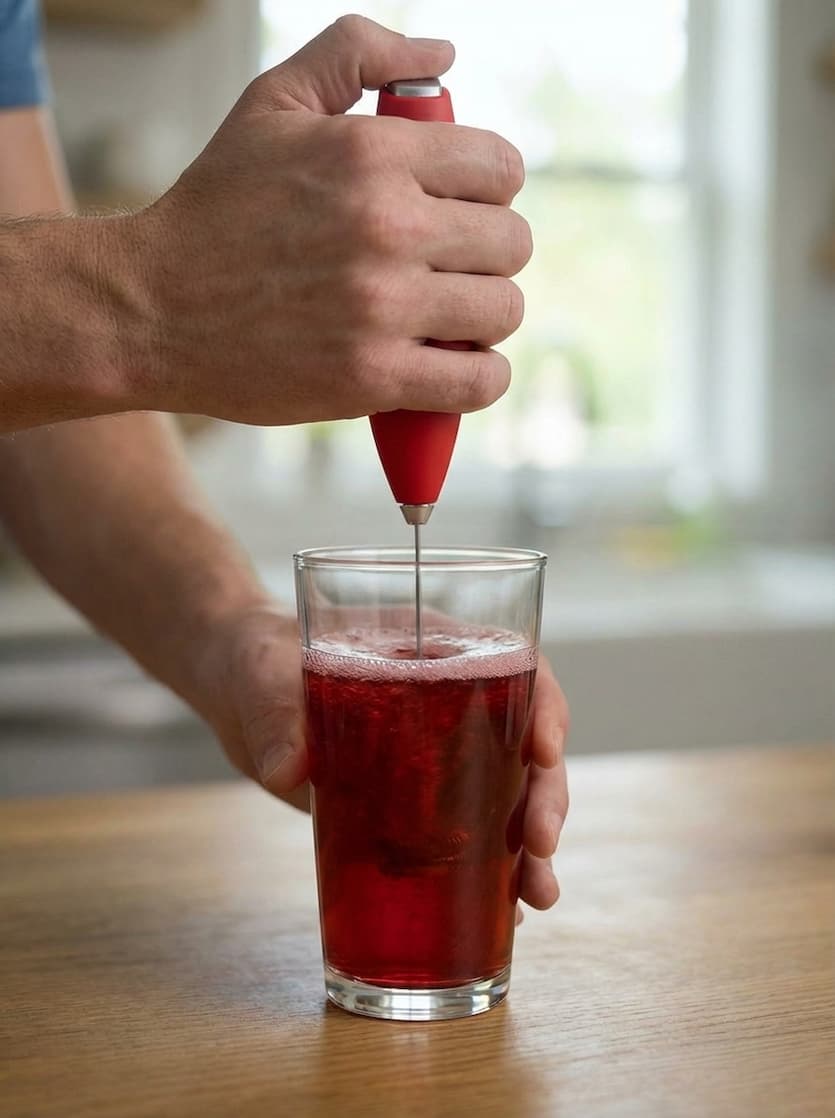
KMAG is a daily drink mix designed to support mucosal repair, rebalance gut bacteria, and reduce inflammation — the three things acid suppression leaves unaddressed.
What to Actually Expect
KMAG does not suppress acid. It won't neutralize a flare-up in twenty minutes the way an antacid can. The work it does is foundational — and that takes time.
What you may notice:
- Less bloating after meals
- Fewer middle-of-the-night wake-ups
- Less reaching for rescue antacids
What's happening:
- MUCOSAVE begins supporting the mucosal lining
- ACTIValoe starts improving absorption
- Chamomile begins reducing gut irritation
What you may notice:
- Less burning after meals
- More confidence eating trigger foods
- Better sleep quality overall
What's happening:
- GUTGARD continues supporting tissue repair
- Gut lining becoming more resilient
- Microbial environment beginning to rebalance
What you may notice:
- Testing foods you've avoided for years
- Less anxiety around meals and bedtime
- A different conversation with your doctor
What's happening:
- Mucosal barriers rebuilt and maintained
- Gut bacteria communities more diverse
- Systemic inflammation meaningfully reduced
If you have LPR or have been on PPIs for more than a year, four to six months is a completely normal timeline. Always work with your doctor before making any changes to your prescription medications.
What Real Customers Say
"I use KMAG after dinner and it's been perfect. I've tested things up to a 7 on the 'danger' food list, but I'm ready to tackle some 8's and 9's that I had completely eliminated. On a reflux pain scale of 1 to 10, I can now say I'm a ZERO = completely cool and calm."Wayne M. — Verified Customer
"My esophagus burning is gone entirely, I'm sleeping through the night without waking up with heartburn, and can eat a greater variety of foods, including ones I'd given up on. My gastroenterologist gave up on me because I'm allergic to the meds & the low FODMAP diet they gave me wasn't working. So I'm very glad to be on a pathway back to being healthy!"Theresa — Verified Customer
"I've been taking KMAG for five days. I was using 10–12 antacids per day; now it's down to one or two per day. I've had no reflux while sleeping. Having tried many different methods to get rid of my heartburn and I like your approach to the problem."Joe R. — Verified Customer
The Conversation Worth Having
If you've been on a PPI for more than a year, there's a question worth putting to your physician — not about stopping the medication abruptly, but about what the long-term plan actually is.
The 2014 FDA warning wasn't a footnote. It was an acknowledgment that long-term acid suppression has downstream consequences that weren't part of the original conversation when these medications became routine. Understanding what's happening inside your gut is the first step toward doing something about it — rather than managing symptoms indefinitely with a drug that was designed for 14-day use.
Try KMAG Risk-Free
Every order includes:
- ✓ 100-Day Satisfaction Guarantee*
- ✓ Lifetime access to the KMAG Symptom Tracker and Recipe Converter App
- ✓ Our 7-Day Reflux Reset Program
- ✓ Priority Support from our Human Support Team
* Valid on 90-day protocol bundle. Commit to AT LEAST 90 days of daily use for best results.
Frequently Asked Questions
Can I take KMAG while still on my PPI?
How long before I notice results?
Why does KMAG work differently from antacids or PPIs?
Is this FDA approved?
This is not medical advice. Always consult with your physician before adding new supplements to your routine, especially if you have any diagnosed medical conditions or are currently taking prescription medications. These statements have not been evaluated by the Food and Drug Administration. This product is not intended to diagnose, treat, cure, or prevent any disease. Clinical study data referenced applies to individual ingredients in Kiss My Acid Goodbye and not to the formula as a whole. Individual results may vary.

