

Why Perimenopause Makes Acid Reflux Worse.
For women in perimenopause, acid reflux that appears out of nowhere usually isn't a food problem. It's a hormone problem.
Three hormonal mechanisms activate simultaneously during the perimenopause transition, and together they can change how the entire digestive system functions. Here's what's actually happening.

Many women in their 40s and 50s notice reflux worsening without any meaningful change in diet. The pattern isn't random. The timing usually tracks with hormonal transition.
You've heard the standard advice. Avoid coffee. Avoid wine. Don't eat after 7pm. Sleep on a wedge pillow.
You may have tried some or all of it. And you may have noticed that the reflux appeared anyway, or got significantly worse, sometime in your mid-to-late 40s. Without any obvious change in your diet. Without any dramatic shift in your habits. Without an explanation that made sense.
That gap between "nothing changed" and "everything changed" has an explanation. It's just not the one most appointments are long enough to get to.
The Timing Is Not Coincidence
Perimenopause, the transitional phase that typically begins several years before menopause, brings fluctuating and eventually declining levels of estrogen and progesterone. These hormonal changes are widely understood to affect sleep, mood, bone density, and cardiovascular health.
What they are less often discussed as affecting is digestion. Specifically: the way estrogen and progesterone interact with the gut, the mucosal lining, and the valve that keeps acid where it belongs.
The digestive system is not separate from the hormonal system. Estrogen receptors are found throughout the gastrointestinal tract. Progesterone has direct effects on smooth muscle. When hormone levels change, the gut changes with them. This isn't a theory. It's basic physiology that has been documented in research on pregnancy, menstrual cycles, and the menopause transition.
The First Mechanism: The Valve
The lower esophageal sphincter, commonly called the LES, is the muscular ring at the junction of your esophagus and stomach. Its job is to stay firmly closed except when you swallow, keeping stomach acid where it belongs.
Progesterone is a smooth muscle relaxant. That's an established part of its physiology, and it's the same reason pregnant women experience reflux at dramatically higher rates. Progesterone rises significantly during pregnancy. Smooth muscle relaxes throughout the body. The LES loses some of its normal tone. Acid that previously stayed put starts escaping upward.
During perimenopause, progesterone typically declines earlier and more steeply than estrogen. As this shift unfolds, the hormonal environment that influenced your LES changes. Research suggests this hormonal shift may be one reason why reflux symptoms often increase during the perimenopause transition, independent of diet or weight changes.
The valve isn't broken. The signal that kept it reliably toned has changed.
The Second Mechanism: The Lining
Even when the LES functions correctly, some acid contact with the esophageal and stomach tissue is normal. What determines whether that contact becomes symptomatic is largely the integrity of the mucosal barrier: the protective lining that absorbs and deflects acid exposure before it reaches sensitive tissue.
Estrogen plays a role in maintaining mucosal integrity throughout the gastrointestinal tract. Research suggests it supports gut motility, bile flow, and the overall health of the gut lining. As estrogen declines, the tissue that once handled normal acid exposure without any noticeable discomfort may become more vulnerable to the same amount of acid it was handling fine a decade earlier.
This explains a pattern that many perimenopausal women notice but rarely connect to hormones: the foods that never caused problems at 38 are now reliably triggering burning at 48. The acid didn't necessarily increase. The tissue's ability to handle it changed.
Research consistently shows higher rates of GERD symptoms among women during perimenopause and menopause compared to premenopausal women. Studies suggest menopausal women may be up to 2.9 times more likely to experience GERD symptoms. In some studies, more than 4 in 10 perimenopausal women report experiencing reflux symptoms during the transition. These are not coincidences of timing. The digestive system is a target tissue for sex hormones. When the hormones change, digestion changes with them.
Sources: Multiple peer-reviewed studies on sex hormones and GERD prevalence, including research reviewed in Clinical Gastroenterology and Hepatology.
The Third Mechanism: The Bacteria
Estrogen and the gut microbiome have a two-way relationship. Gut bacteria help regulate how estrogen is metabolized and recycled in the body, and estrogen, in turn, influences bacterial populations in the gut.
Research suggests that as estrogen declines, the gut microbiome shifts. Bacterial diversity tends to decrease. Populations of beneficial bacteria associated with gut barrier integrity and short-chain fatty acid production change. Increased gut permeability, meaning a more porous gut lining that allows more bacterial byproducts to reach the bloodstream, has been associated with the hormonal changes of menopause. A 2025 systematic review identified specific gut bacteria associated with the severity of menopausal symptoms, suggesting this connection is real and increasingly well-documented.
This matters for reflux because a microbiome moving toward imbalance contributes to the same conditions that drive reflux in any population: gas pressure from disrupted fermentation, reduced mucosal protection, and chronic low-grade inflammation that makes the tissue around the LES more reactive to stimuli it would otherwise handle without issue.
Why It Can Feel Like It Came Out of Nowhere
Most chronic health shifts are gradual enough that people adapt without identifying a clear starting point. Perimenopause-related reflux often doesn't work that way, and the reason is the timing of these mechanisms.
They don't happen sequentially. They happen simultaneously. LES tone shifts as progesterone declines. Mucosal barrier resilience changes as estrogen drops. The microbiome shifts as both hormones change. Any one of these in isolation might produce a manageable change. All three arriving at once can cross a threshold that feels sudden, even though each change was months or years in the making.
This is why reflux can seem to appear without a trigger. It didn't appear suddenly. The conditions built quietly, on three fronts at once, until the cumulative effect became undeniable.

Three separate mechanisms. Happening simultaneously. This is why perimenopause can feel like it rewired the entire digestive system.
Why Antacids and PPIs Keep Missing the Point
Antacids neutralize acid temporarily. PPIs suppress acid production. Neither one restores LES tone. Neither one supports the mucosal barrier that estrogen used to help maintain. Neither one addresses the bacterial shift that comes with hormonal change.
For reflux driven by what you ate, acid suppression can be a reasonable short-term measure. For reflux driven by structural changes in the digestive system, treating only the acid is treating the output, not what's causing it. The acid isn't necessarily more. The gut is less equipped to handle it.
This is the key insight that most women in this situation don't get from a brief doctor's appointment: what changed isn't the acid. What changed is the system that was managing it. And a Tums doesn't rebuild that system.
What Hormones Disrupted vs. What Standard Treatments Address
- LES tone reduced by progesterone decline: Antacids and PPIs do not address LES tone
- Mucosal barrier weakened by estrogen decline: Antacids neutralize acid but do not support barrier rebuilding
- Gut microbiome shifted by hormonal change: PPIs can worsen bacterial imbalance by altering gut pH
- Chronic inflammation from increased gut permeability: Neither antacids nor PPIs address gut inflammation directly
Standard treatments were not designed for this type of reflux. They were designed to stop the burn. That is a very different goal.
Supporting the Root Causes Hormones Have Disrupted
Kiss My Acid Goodbye (KMAG) doesn't suppress acid production. It works on the four root causes of reflux that perimenopause directly implicates: damaged protective barriers, bacterial imbalance, chronic inflammation, and impaired natural healing processes.
This matters because the same mechanisms that perimenopause disrupts are the ones KMAG's ingredients are designed to support.
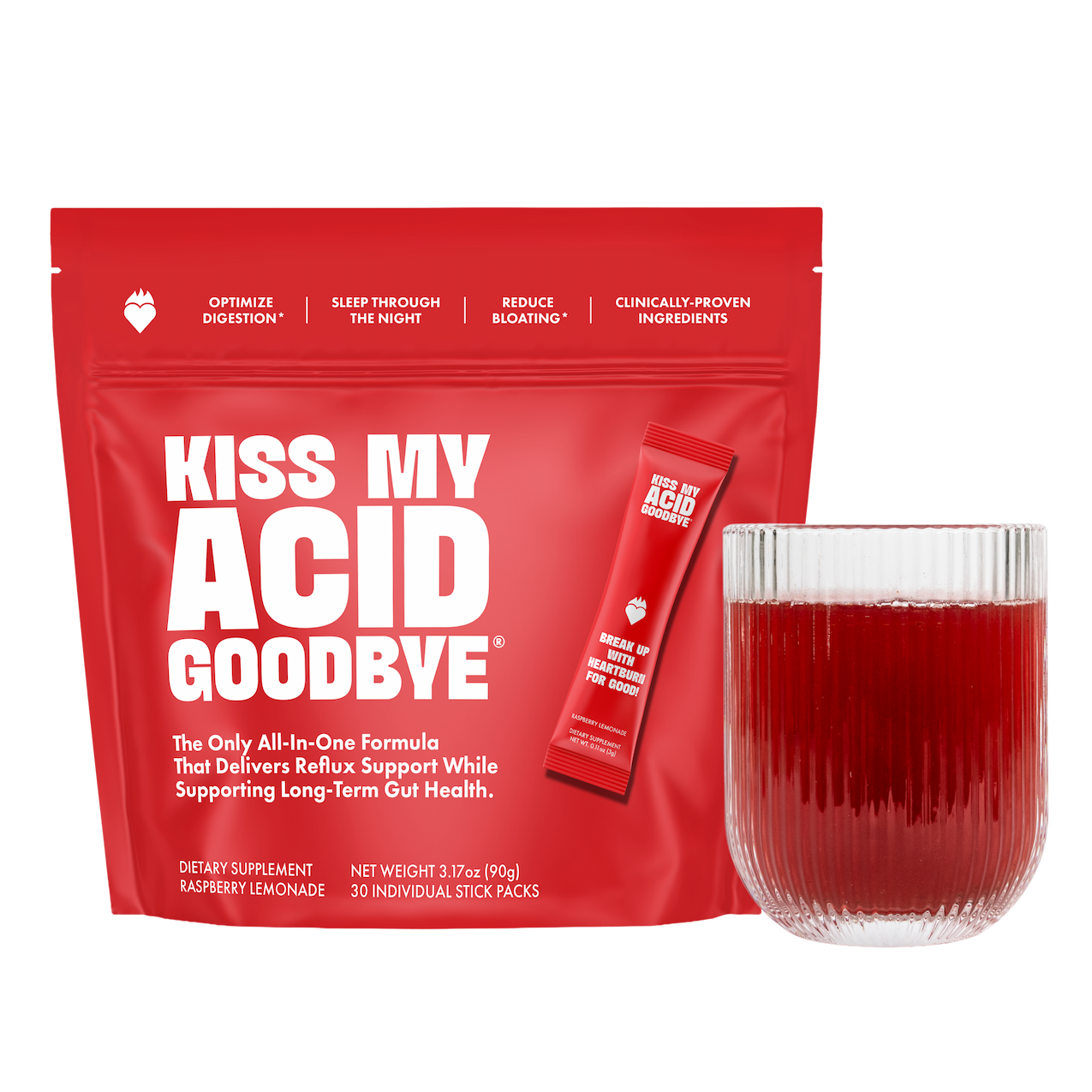
If your reflux changed dramatically in your 40s with no clear dietary cause, Kiss My Acid Goodbye (KMAG) supports the same barrier, bacterial, and inflammation mechanisms that hormonal shifts disrupt.
When you try KMAG today, you get:
- ✓ 100-Day Satisfaction Guarantee*
- ✓ Lifetime access to the KMAG Symptom Tracker and Recipe Converter App
- ✓ Our 7-Day Reflux Reset Program
- ✓ Priority Support from our Human Support Team
*Valid on 90-day protocol bundle
Always consult your doctor before changing any medication or starting a new supplement.
MUCOSAVE (400mg): Protective Barrier Support
MUCOSAVE creates a protective gel coating that may help shield the mucosal lining from acid exposure. In a 2-month double-blind placebo-controlled study of 118 adults, MUCOSAVE showed a 74.3% total improvement on the GERD-Health Related Quality of Life Assessment and a 59.1% reduction in symptom severity.
GUTGARD (150mg): Bacterial Balance and Digestive Motility
GUTGARD is a specialized form of deglycyrrhizinated licorice that may help support bacterial balance and gastric motility, helping food move through the digestive system more efficiently and reducing the sluggishness and abdominal pressure that compound reflux symptoms. The gut that has shifted toward dysbiosis during perimenopause is exactly the gut that benefits from this kind of support. In a 30-day double-blind clinical study, 56% of GUTGARD users showed marked improvement vs. 0% in the placebo group.
ACTIValoe (150mg): Esophageal Lining Support
ACTIValoe is a clinically standardized aloe vera extract that may help support the esophageal and intestinal lining. Research on aloe vera extract has shown meaningful symptom relief for reflux sufferers. ACTIValoe is an enhanced, standardized form of that extract, processed to remove compounds that make raw aloe unsafe for internal use. It also promotes production of short-chain fatty acids, the byproducts of healthy fermentation that fuel the cells lining the gut. A stronger gut lining is better positioned to handle acid exposure even when LES tone has been affected by hormonal change.
German Chamomile Extract 10:1 (200mg): Inflammation and Digestive Comfort
Declining estrogen is associated with increased gut permeability and elevated baseline inflammation throughout the GI tract. Research on chamomile herbal formulations suggests this concentrated extract may help ease digestive irritation. Reducing chronic inflammation matters because an inflamed mucosal lining is hypersensitive to stimuli that a healthier lining would handle without issue. This isn't chamomile tea. The 10:1 concentration makes it significantly more potent than any standard herbal preparation.
What the Research Shows
- MUCOSAVE (400mg): 74.3% total improvement on GERD Quality of Life Assessment. 118 adults, 2-month double-blind RCT (Evidence-Based CAM, 2016)
- MUCOSAVE (400mg): 59.1% reduction in symptom severity. Same study, therapeutic dose matched exactly in KMAG
- GUTGARD (150mg): 56% marked improvement vs. 0% placebo. 50 adults, 30-day double-blind RCT (Evidence-Based CAM, 2012)
- GUTGARD (150mg): 14x more effective than placebo at reducing H. pylori. 100-adult, 60-day study
These statements refer to clinical studies on individual ingredients in Kiss My Acid Goodbye. Individual results may vary.
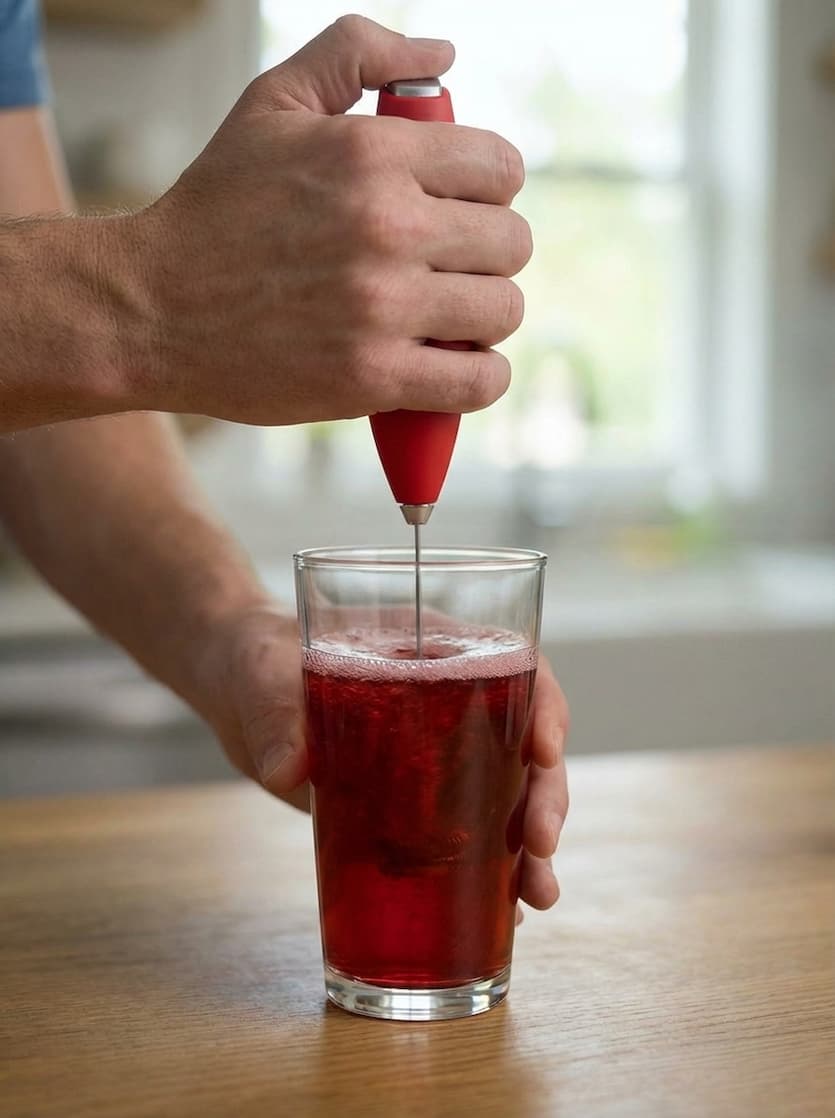
KMAG is taken once daily, mixed in water. Most women find it easiest to take before the largest meal of the day or before bed if nighttime symptoms are the main concern.
What to Expect
KMAG works on root causes, not symptoms. That means meaningful results take consistency. For women who have been managing reflux through perimenopause, many of whom have been on PPIs or antacids for years, a realistic timeline is important.
You might notice:
- Less bloating after meals
- Fewer middle-of-the-night episodes
- Reaching for antacids less often
Why it's happening:
- MUCOSAVE and ACTIValoe begin supporting the mucosal lining
- Chamomile starts easing baseline digestive inflammation
You might notice:
- Meals that used to trigger burning becoming manageable
- Better sleep quality
- Less daily discomfort overall
Why it's happening:
- GUTGARD continues supporting bacterial balance and motility
- Mucosal support is building cumulative resilience
You might notice:
- Testing foods you had given up on
- Conversations with your doctor about reducing medication
- Feeling like your gut is working with you again
Why it's happening:
- All four ingredients have been supporting barrier, bacteria, inflammation, and healing simultaneously
- The gut environment is more resilient overall
If you are currently on a PPI, do not stop when you start KMAG. The protocol: take KMAG daily for 2 to 3 months while staying on your medication, then work with your doctor to taper gradually. This gives your gut time to rebuild its protective environment before acid suppression is reduced.
What KMAG Customers Are Experiencing
"I have had GERD with a hiatal hernia for years. No matter what I did (taking PPIs, even watching what I eat and drink, stop eating by 4pm, etc.) around 2:30am I would wake up with horrible reflux (even with the head of the bed raised). I have only been using KMAG three weeks and it is miraculous! I can sleep through the night with no reflux! I also don't have any reflux during the day and pain from acid sitting where my hernia is is gone. I am starting to feel like my old self again!"Deborah L., Verified Customer
"After just 6 weeks of KMAG once daily, my bloating decreased almost immediately and my chronic cough has drastically reduced. Even through the holidays with rich food and stress, KMAG continued working. I can sense my gut is genuinely healing. I'm now confident enough to discuss weaning off my PPI with my gastroenterologist. KMAG has given me hope for addressing the root cause rather than just suppressing symptoms."Pamela W., Verified Customer
"I can't say enough about how excited I am to use this product, after 20+ years of fighting off GERD and severe stomach problems I finally feel like I have an answer to my prayers!! I have used every PPI they make, and they don't work anymore, nor do I want to even try them anymore... But already within 2 weeks I feel like a brand new me, no stomach pain, more energy, better sleeping, I can't say thank you enough!"Tonya C., Verified Customer
"I've had reflux for 10 years. Been to so many doctors. Tried everything. Nothing worked. I'm in my second month of taking KMAG twice a day, and I'm doing so much better. This isn't an overnight thing—you have to stick with it—but I can already tell it's working. Reflux is not fun, but this product and the support behind it have been life-changing. Thank you!"Shirley W., Verified Customer
"I can sense my gut is genuinely healing. I'm now confident enough to discuss weaning off my PPI with my gastroenterologist. KMAG has given me hope for addressing the root cause rather than just suppressing symptoms."Pamela W., Verified Customer, 6 weeks on KMAG
A Question Worth Sitting With
If your reflux got significantly worse in your 40s and nothing obvious changed in your diet or habits, it's worth asking whether the advice you've been given is addressing the right problem.
Avoiding trigger foods helps at the margin. PPIs suppress one symptom. But if the underlying issue is that perimenopause changed three things in your digestive system at the same time, the most logical intervention is one that works on those three things directly.
That's what KMAG is designed to do. Not overnight, and not instead of working with your doctor. But as a daily investment in the gut environment that hormonal changes have disrupted, and that consistent daily support can help maintain.
Try KMAG Risk-Free
Every order includes:
- ✓ 100-Day Satisfaction Guarantee*
- ✓ Lifetime access to the KMAG Symptom Tracker and Recipe Converter App
- ✓ Our 7-Day Reflux Reset Program
- ✓ Priority Support from our Human Support Team
* Valid on 90-day protocol bundle. Commit to AT LEAST 90 days of daily use for best results.
Frequently Asked Questions
Is KMAG specifically for women going through perimenopause?
No. KMAG addresses four root causes of acid reflux that affect anyone with chronic reflux: damaged protective barriers, bacterial imbalance, chronic inflammation, and impaired natural healing. Those root causes are relevant regardless of age or gender.
That said, the hormonal mechanisms of perimenopause activate all four of those root causes simultaneously, which is why many women in this life stage find KMAG particularly relevant. If your reflux worsened noticeably in your 40s or 50s without an obvious dietary explanation, the perimenopause connection is worth understanding.
Can I take KMAG if I'm on hormone replacement therapy (HRT)?
KMAG's ingredients are plant-based and generally well-tolerated. However, we always recommend checking with your healthcare provider before adding any supplement to your routine, especially if you are on prescription medications. This is particularly true if you have a history of high blood pressure, as some licorice-based products require caution. KMAG uses GUTGARD, a form of deglycyrrhizinated licorice that has had the compound associated with blood pressure effects removed, but your doctor is best placed to confirm whether it's appropriate for your specific situation.
I'm currently on a PPI. Should I stop when I start KMAG?
No. Do not stop a PPI abruptly. Stopping PPIs suddenly can trigger a rebound surge of acid that is often worse than the original symptoms, because the body has been compensating for acid suppression and overcorrects when it stops. The protocol: take KMAG daily for 2 to 3 months while staying on your current medication, then work with your doctor to taper the PPI gradually. This gives your gut time to rebuild the protective environment that supports a successful taper.
How long before I notice a difference?
Initial improvements, such as less bloating, fewer overnight episodes, and reduced antacid use, typically appear within the first 1 to 2 months. The most significant improvements come with 3 to 6 months of consistent daily use. For women who have been on PPIs for an extended period, 4 to 6 months is a completely normal and expected timeline. The 30-day money-back guarantee gives you a risk-free window to get started. Individual results may vary.
Do I have to change my diet to see results?
Many KMAG customers report meaningful improvement without dramatic dietary changes. KMAG works on the gut environment itself, which is why some people find that foods they used to avoid stop causing problems as their gut becomes more resilient over time. That said, if certain foods consistently trigger symptoms, reducing them during the first few months can lower the symptom load while your gut is building its protective environment. The goal is not a permanent restrictive diet. The goal is a gut that can eventually handle a normal range of foods. Individual results may vary.
Note: This is not medical advice. Always consult with your physician before adding new supplements to your routine, especially if you have any diagnosed medical conditions or are currently taking prescription medications. These statements have not been evaluated by the Food and Drug Administration. This product is not intended to diagnose, treat, cure, or prevent any disease. Clinical study data referenced applies to individual ingredients in Kiss My Acid Goodbye and not to the formula as a whole. Individual results may vary.

