

Why Silent Reflux Doesn't Respond to Standard Acid Reflux Treatments
Chronic throat clearing, hoarseness, and a cough that never fully goes away are rarely allergy symptoms. They're usually silent reflux, and the standard treatment often misses the problem entirely.
LPR, known as silent reflux, is driven by a different mechanism than regular heartburn. That's why millions of people are being treated for the wrong thing, often for years.

Most people with LPR spend years treating allergies, post-nasal drip, or asthma before anyone connects the symptoms to reflux. The misdiagnosis is common because the burning sensation typical of heartburn is often absent entirely.
Acid reflux, for most people, means heartburn. The burning in the chest after a meal. The middle-of-the-night fire. But a significant portion of people with reflux never feel that burn at all. Instead they clear their throat constantly. Their voice goes hoarse. They feel like something is permanently stuck in the back of their throat. They have a cough that no cough medicine touches.
This is laryngopharyngeal reflux, commonly called LPR or silent reflux. And the reason it gets mismanaged so often comes down to one fact: it is not driven by the same mechanism as regular heartburn, which means the standard treatment, acid suppression, often does very little.
What Makes LPR Different from Regular Reflux
In standard gastroesophageal reflux (GERD), acid backs up from the stomach into the lower esophagus. The esophagus has some limited ability to handle this. The throat does not. In LPR, reflux travels higher, past the upper esophageal sphincter and into the throat, voice box, and sometimes the airways. Even small, infrequent amounts of reflux reaching these tissues can cause significant irritation because they have no protective lining against stomach contents.
The result is a set of symptoms that feel nothing like heartburn: persistent throat clearing, hoarseness, a sensation of mucus or something stuck in the throat, a chronic cough, and sometimes difficulty swallowing. Many LPR patients have been treated for allergies, post-nasal drip, or asthma for years before the true cause is identified.
The Real Driver: Pepsin, Not Acid
Here is the mechanism most treatments fail to address. Reflux carries more than acid. It also carries pepsin, a digestive enzyme the stomach uses to break down protein. In the esophagus, pepsin causes some damage. In the throat and larynx, where there is no protective barrier at all, pepsin causes significantly more.
What makes pepsin especially problematic for LPR sufferers is its behavior after a reflux episode. Research has found that pepsin can embed itself in throat tissue and remain dormant for up to 24 to 48 hours. If you eat or drink anything acidic during that window, including coffee, juice, or carbonated water, the dormant pepsin gets reactivated and triggers another round of inflammation. This is why LPR symptoms can flare without any obvious reflux event. The damage isn't always coming from new reflux. It can be coming from pepsin that was deposited hours earlier.
A 2021 randomized controlled trial published in the BMJ, involving 346 adults with LPR symptoms, found that PPIs performed no better than placebo for laryngopharyngeal reflux. The 2024 international consensus on LPR now formally states that acid suppression alone should not be considered first-line therapy for patients with isolated LPR symptoms. The condition is being treated the wrong way, at scale, by most of the medical system.
Sources: TOPPITS Trial, BMJ 2021; IFOS Consensus Statement on LPR Management, 2024.
The reason PPIs underperform for LPR is straightforward. Proton pump inhibitors reduce stomach acid. They do not reduce pepsin production or prevent pepsin from reaching the throat. They do not repair the throat tissue that pepsin has damaged. And they do not address the gut environment factors that allow reflux to reach the upper airway in the first place.

The pepsin mechanism explains why LPR flares often seem disconnected from obvious reflux events. The trigger can be something mildly acidic consumed hours after the original reflux episode.
Addressing What PPIs Don't
Kiss My Acid Goodbye (KMAG) doesn't suppress acid. It works on the four root causes of reflux that underlie LPR: damaged protective barriers, bacterial imbalance, chronic inflammation, and impaired natural healing. For LPR specifically, the barrier and inflammation components are particularly relevant.
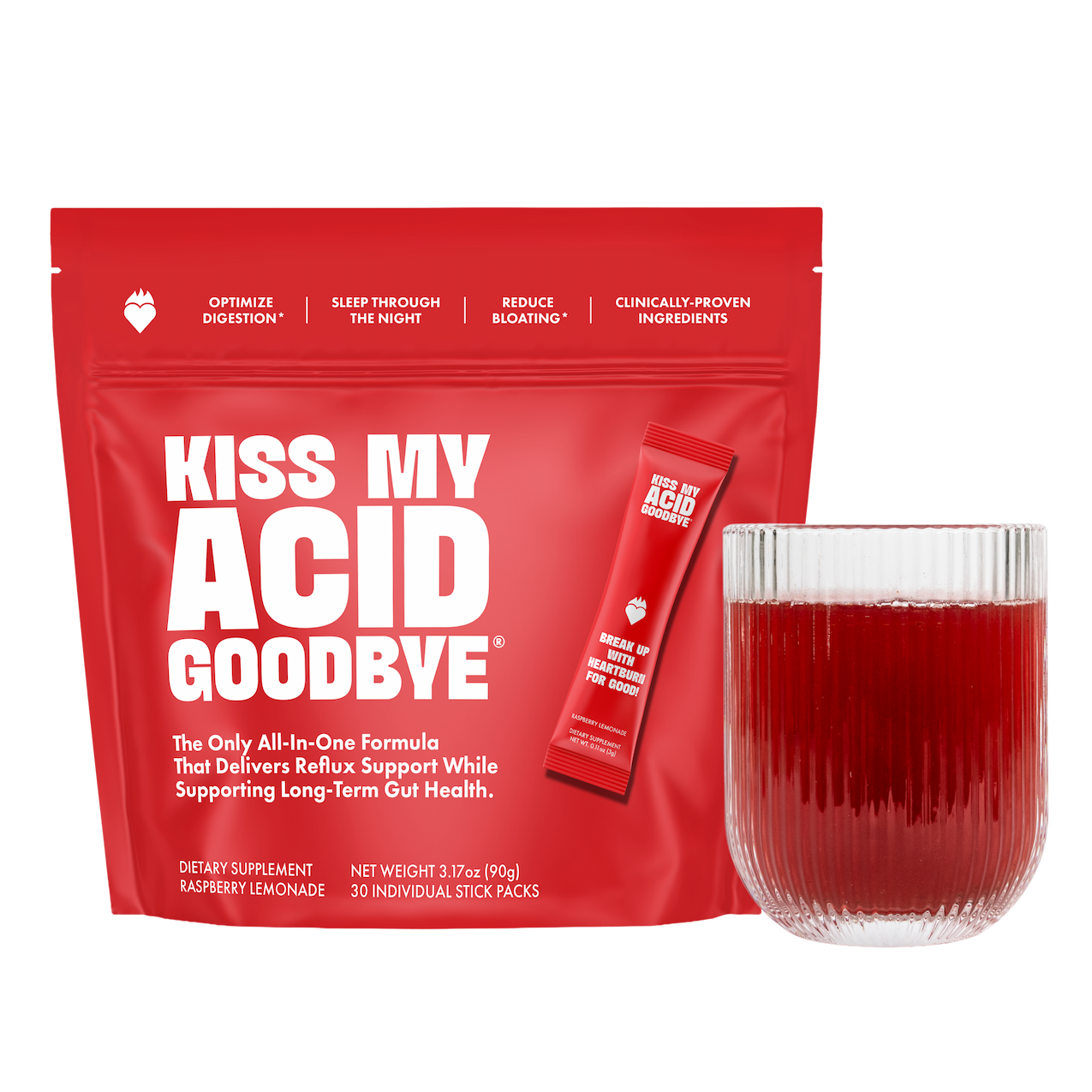
If you've been treating throat clearing, hoarseness, or a chronic cough as allergies with no real relief, Kiss My Acid Goodbye (KMAG) supports the esophageal barrier that pepsin exposure damages on its way toward the throat.
When you try KMAG today, you get:
- ✓ 100-Day Satisfaction Guarantee*
- ✓ Lifetime access to the KMAG Symptom Tracker and Recipe Converter App
- ✓ Our 7-Day Reflux Reset Program
- ✓ Priority Support from our Human Support Team
*Valid on 90-day protocol bundle
Always consult your doctor before changing any medication or starting a new supplement.
ACTIValoe (150mg): Esophageal Barrier Support
ACTIValoe is a clinically standardized aloe vera extract that may help support the esophageal and intestinal lining. Research on aloe vera extract has shown meaningful symptom relief for reflux sufferers. For LPR, this esophageal barrier support is relevant upstream: the esophagus is the tissue pepsin damages on its way toward the throat, and supporting that barrier may help reduce how much pepsin exposure reaches the throat in the first place. ACTIValoe also promotes production of short-chain fatty acids that fuel the cells lining the gut.
MUCOSAVE (400mg): Barrier Support Throughout the GI Tract
MUCOSAVE creates a protective gel coating that may help shield mucosal tissue from acid and pepsin exposure. In a 2-month double-blind placebo-controlled study of 118 adults, MUCOSAVE showed a 74.3% total improvement on the GERD-Health Related Quality of Life Assessment and a 59.1% reduction in symptom severity.
GUTGARD (150mg) and German Chamomile (200mg): Bacterial Balance and Inflammation
GUTGARD supports gastric motility and bacterial balance, addressing the gut environment factors that allow reflux to travel as high as the throat. Chamomile addresses the chronic inflammation that pepsin and repeated reflux exposure create in the esophagus, which may in turn help reduce the tissue sensitivity that shows up as throat symptoms. Reducing baseline inflammation matters because inflamed tissue is hypersensitive to even small amounts of pepsin exposure. In a 30-day clinical study, 56% of GUTGARD users showed marked improvement vs. 0% in the placebo group.
What the Research Shows
- MUCOSAVE (400mg): 74.3% total improvement on GERD Quality of Life Assessment. 118 adults, 2-month double-blind RCT (Evidence-Based CAM, 2016)
- MUCOSAVE (400mg): 59.1% reduction in symptom severity. Same study, therapeutic dose matched exactly in KMAG
- GUTGARD (150mg): 56% marked improvement vs. 0% placebo. 50 adults, 30-day double-blind RCT (Evidence-Based CAM, 2012)
- GUTGARD (150mg): 14x more effective than placebo at reducing H. pylori. 100-adult, 60-day study
These statements refer to clinical studies on individual ingredients in Kiss My Acid Goodbye. Individual results may vary.
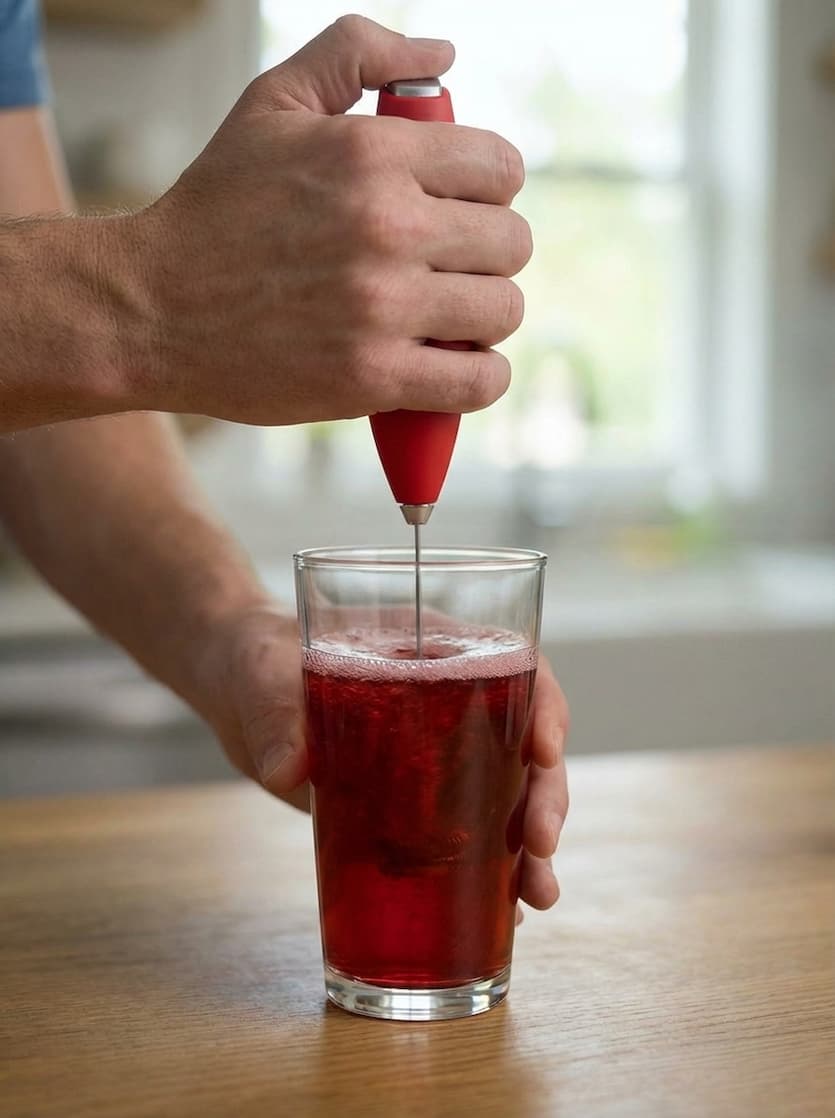
KMAG is taken once daily mixed in water. For LPR, many people find it most effective taken before dinner or before bed, when nighttime reflux is most likely to reach the throat.
What to Expect
LPR typically takes longer to respond than regular heartburn because the esophageal tissue that pepsin has damaged takes time to recover, and reduced pepsin exposure at that level takes time to translate into fewer throat symptoms. A realistic timeline is 3 to 6 months of consistent daily use, with initial improvements in throat comfort and reduced clearing often appearing in months 1 and 2.
You might notice:
- Slightly less throat clearing
- Reduced bloating and digestive discomfort
- Better sleep quality
Why it's happening:
- ACTIValoe and MUCOSAVE begin supporting mucosal tissue
- Chamomile starts reducing baseline inflammation
You might notice:
- Hoarseness improving
- The globus sensation reducing
- Fewer flares from trigger foods
Why it's happening:
- GUTGARD supports improved motility and bacterial balance
- Cumulative mucosal support building resilience
You might notice:
- Throat symptoms significantly reduced or resolved
- Tolerating foods and drinks previously avoided
- Feeling like your throat is no longer the focus of your day
Why it's happening:
- All four ingredients working together on barriers, bacteria, inflammation, and healing
- The gut environment is producing less reflux reaching the throat
What KMAG Customers With LPR Are Experiencing
"I've had absolutely no acid reflux symptoms since starting Kiss My Acid Goodbye. It calms my LPR (Silent Reflux) flare-ups when they happen, and for the first time in a long time, I feel normal again. This product could help millions of people who suffer the way I did."Kevin S., Verified Customer
"I have silent reflux and the constant mucus in the back of my throat was driving me absolutely crazy. I'd already tried a candida cleanse, betaine pepsin, and enzymes — and while they helped a little, I still needed something more. After 3 months on KMAG, the mucus has completely disappeared. Like, gone. Even coffee, which I was honestly terrified to touch, doesn't bother me nearly as much anymore. If you're quietly suffering through silent reflux and feel like you've already tried everything — you haven't tried everything yet."Mark S., Verified Customer
"I've been using KMAG for almost 3 months for silent reflux (LPR), and it's vastly decreased the constant swallowing and that awful feeling of something stuck in my throat. I'm finally sleeping through the night again! If you've tried everything for silent reflux and nothing's worked, give KMAG a shot."Candice V., Verified Customer
"After 3 months on KMAG, the mucus has completely disappeared. Like, gone."Mark S., Verified Customer
If You've Been Told It's Allergies, It Might Be Worth a Second Look
LPR is consistently undertreated because it looks like something else. If the standard approaches haven't given you real relief, the mechanism behind your symptoms is worth understanding. Pepsin, not acid, is often the real driver. And addressing the gut environment that allows reflux to reach the throat in the first place is a more targeted response than suppressing acid alone.
Try KMAG Risk-Free
Every order includes:
- ✓ 100-Day Satisfaction Guarantee*
- ✓ Lifetime access to the KMAG Symptom Tracker and Recipe Converter App
- ✓ Our 7-Day Reflux Reset Program
- ✓ Priority Support from our Human Support Team
* Valid on 90-day protocol bundle. Commit to AT LEAST 90 days of daily use for best results.
Frequently Asked Questions
How do I know if I have LPR rather than regular acid reflux?
The clearest distinguishing sign is the absence of heartburn alongside the presence of throat symptoms: chronic throat clearing, hoarseness, a sensation of something stuck in the throat (globus), post-nasal drip feeling, or a persistent cough. Many LPR patients have never experienced classic heartburn. A gastroenterologist or ENT can confirm LPR through examination. If you have both heartburn and throat symptoms, you may have both GERD and LPR simultaneously, which is common.
Should I stop my PPI if it isn't helping my LPR symptoms?
Do not stop a PPI abruptly without working with your doctor. Stopping suddenly can cause rebound acid surge that is often significantly worse than original symptoms. If your PPI isn't adequately addressing your LPR, discuss a gradual taper with your physician. The protocol with KMAG: take it daily for 2 to 3 months while staying on your current medication, then work with your doctor to reduce the dose gradually.
How long does LPR take to improve with KMAG?
LPR typically takes longer to respond than regular heartburn because the esophageal tissue that has been damaged by pepsin needs time to recover, and it takes time for reduced pepsin exposure to translate into fewer throat symptoms. Initial improvements in throat comfort and reduced clearing often appear in months 1 and 2. The most significant improvements come with 3 to 6 months of consistent daily use. Individual results may vary.
Can I take KMAG alongside my other medications?
KMAG's ingredients are plant-based and generally well-tolerated. However, always check with your healthcare provider before adding any supplement if you are on prescription medications. One practical note: take KMAG at least 2 hours apart from other medications, as ACTIValoe may affect absorption timing.
Note: This is not medical advice. Always consult with your physician before adding new supplements to your routine, especially if you have any diagnosed medical conditions or are currently taking prescription medications. These statements have not been evaluated by the Food and Drug Administration. This product is not intended to diagnose, treat, cure, or prevent any disease. Clinical study data referenced applies to individual ingredients in Kiss My Acid Goodbye and not to the formula as a whole. Individual results may vary.

